
The accuracy of intelligent analysis continues to improve, and the false positive rate has become a key indicator for project acceptance
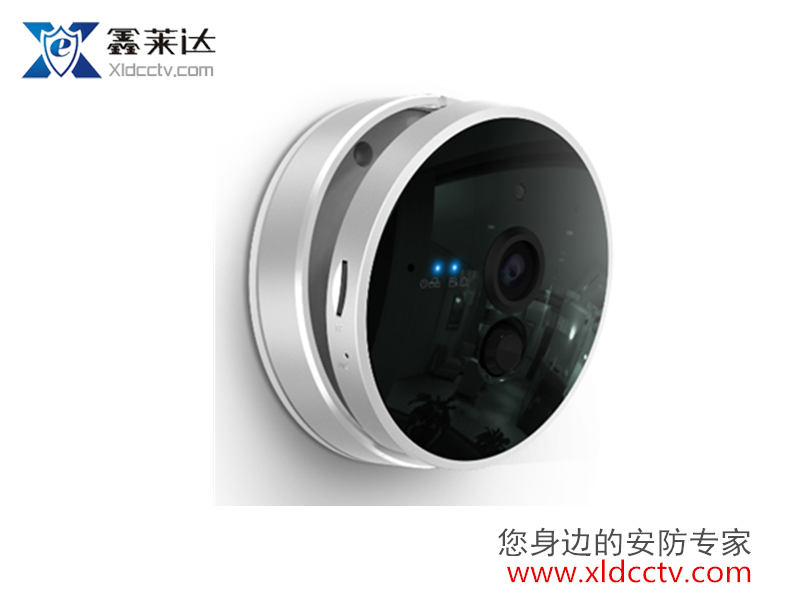
Algorithm iteration and scenario-based optimization have greatly improved the usability of behavior recognition, and the false alarm rate has changed from a major pain point in the past to a quantifiable and acceptable indicator.
Where do false positives come from
- Small animals, leaves, and changes in light and shadow trigger target detection;
- The detection area spans roads or entrances and exits, and normal activities are considered abnormal;
- Low illumination at night results in incomplete target features;
- Sensitivity is one-size-fits-all, without distinguishing between scenes.
Optimization method
- Refined detection area: Avoid roads, trees and reflective surfaces.
- Target type filtering: Only alarm targets that match humanoid/vehicle-shaped characteristics.
- Dual verification: Video + radar/infrared combination judgment.
- Time policy: Distinguish day/night, weekday/holiday rules.
- On-site tuning: On-site adjustments for 1–2 weeks after launch.
How to write acceptance criteria
It is recommended to clarify in the project acceptance terms: the upper limit of false alarms in normal scenarios, the detection rate of typical events, The response time from alarm to screen pop-up makes the indicator quantifiable.
Related content
The "Public Safety Video Management Regulations" have been implemented, and the construction of security monitoring systems has ushered in new requirements.
08-30
AI cameras are accelerating their implementation in retail stores, moving from anti-theft tools to business assistants
08-27
With the popularity of 8-megapixel 4K cameras, how to simultaneously upgrade bandwidth and storage
08-24
H.265+ encoding is widely used, and smart encoding continues to reduce storage costs
08-21
The construction of smart communities is accelerating, and the monitoring and renovation of old communities has become a major incremental market.
08-18
Video surveillance and the Internet of Things platform are integrated, and the security system becomes the digital base of the park.
08-15
Edge computing enters the security front-end, and intelligent analysis moves from the center to the camera side
08-12
Data security and privacy protection are becoming more stringent, and security systems need to simultaneously complement compliance capabilities
08-09