
Smart care and safety monitoring solutions for elderly care institutions
For nursing homes, community day care centers, and home care, it provides fall and retention detection, two-way voice care, remote family visits, and night-time dark monitoring, taking into account care efficiency and the dignity of the elderly.
Program overview
Smart elderly care · XLD overall solution
Design concept
The goal of monitoring in the elderly care scene is not to "monitor the elderly", but to make care more timely, give families more peace of mind, and make the elderly more dignified. Therefore, the plan is based on the principles of "no sense" and "minimum necessity" in site selection and functional design.
Differences from ordinary security solutions
- Emphasis on behavior recognition instead of simple video recording: falls, strandedness, and long-term inactivity are core events.
- Emphasis on two-way interaction rather than one-way monitoring: caregivers can directly comfort the elderly with voice.
- Emphasize Privacy Boundaries: Make it clear which areas are not equipped with cameras and which images are not open to family members.
- Emphasis on night-time friendliness: light-free imaging to reduce the disruption of the elderly’s sleep by turning on lights for patrols.
Consult now
Our technical team is ready to provide you with product selection, solution design and quotation services.
Inquire about the program View all casesIndustry pain points
We design strategies to deal with these practical problems one by one
There are not enough nursing staff to take care of every elderly person 24 hours a day
The frequency of night inspections is limited and unexpected discoveries are lagging behind
It is difficult to detect an elderly person’s fall in time
Falls occur frequently in bathrooms and corridors, requiring quick response
It is inconvenient for family members to visit and there is insufficient trust
Visiting hours are limited and it is difficult for family members to understand the daily status of the elderly
The privacy of the elderly needs to be respected
round-the-clock monitoring may make the elderly feel uncomfortable
Frequent inspections with lights on at night affect the rest of the elderly
Traditional inspection methods interfere with sleep
System architecture
Smart elderly careSecurity system layered design
The plan is designed with the concept of "senseless care":
- Smart cameras are deployed in rooms and corridors to detect falls and long-term stays through posture recognition.
- Deployed in the corridor outside the bathroom, there are no cameras inside the bathroom, and only indirect protection is through door detention detection.
- The bedside is equipped with a one-touch call button, which links the large screen of the nursing station and the caregiver's mobile phone.
- Family members can use the authorized app to view images of public areas and their relatives’ rooms (privacy blocking can be turned on).
- Using infrared/starlight-level equipment at night, imaging can be performed without turning on the lights, ensuring the elderly’s rest.
Subsystem composition
Modular design, optional and step-by-step implementation
Fall detection
gesture recognition algorithm, abnormal automatic alarm nursing station
Detention detection
Bathroom/corridor detention timeout reminder
Two-way voice
Nursing station and room intercom, remote comfort
Family visitation
Authorized App for remote viewing, optional privacy masking
One-click call
Bedside/bathroom emergency button, response in seconds
Night care
Infrared/starlight imaging, not disturbing your rest
Implementation effect
Measured data from implemented projects
Recommended product configuration
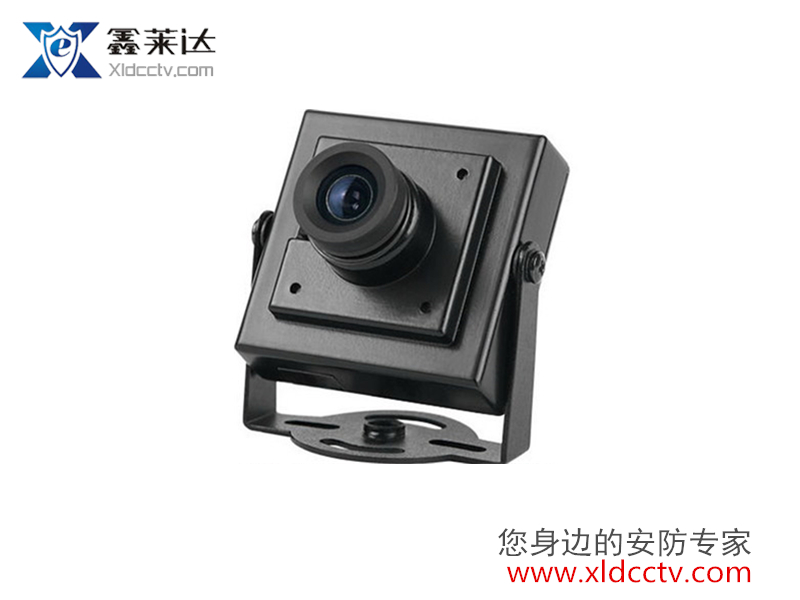
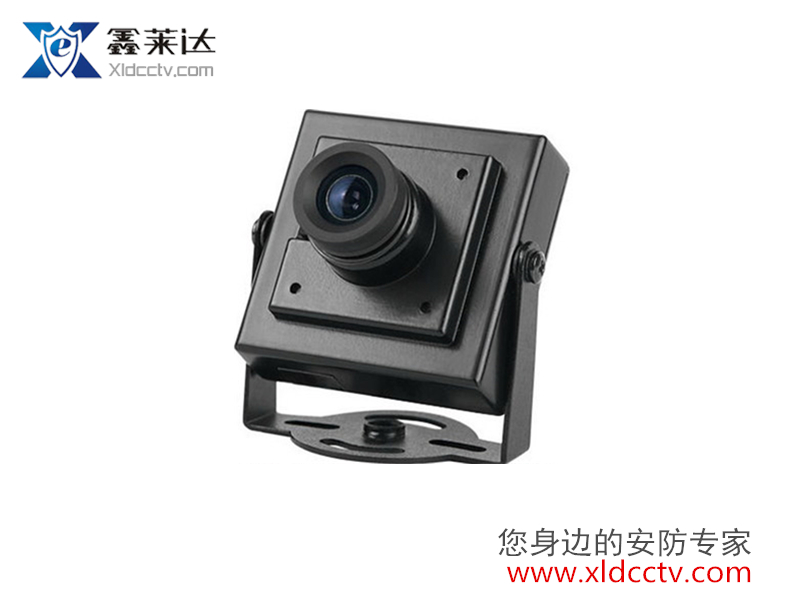
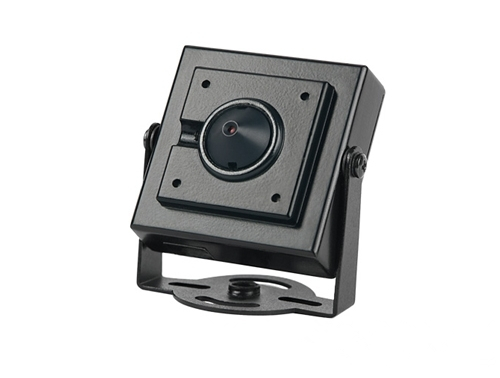
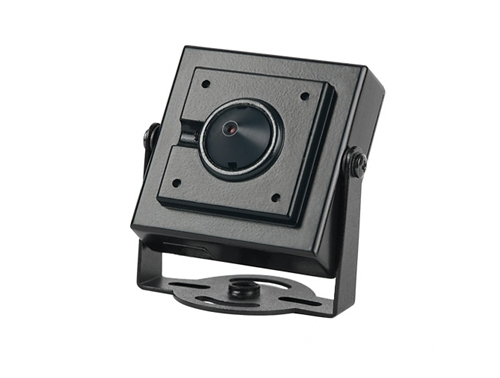
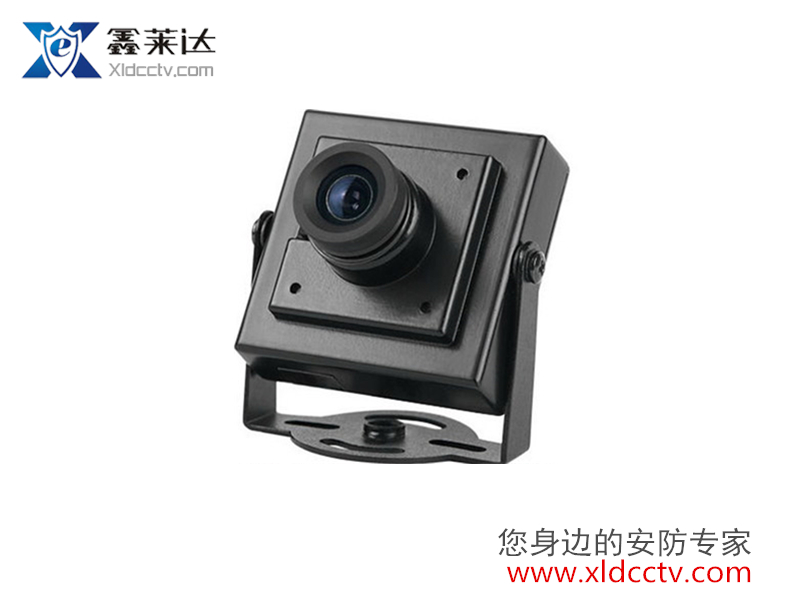
A full range of security monitoring products, covering cameras, dome cameras, matrices, and splicing screens
FAQ
Frequently asked questions about the Smart elderly care solution
Will there be cameras in the bathroom?
No. The interior of the bathroom is a strong privacy area, and detention detection is only set up in the entrance corridor to take into account safety and dignity.
Is fall detection accurate?
Under the premise of standardized installation and reasonable layout, the detection rate can reach more than 90%, and it supports continuous optimization according to the actual scenario of the organization.
What can families see?
By default, only public activity areas and rooms of my relatives are open, and privacy blocking can be turned on. Corridors and other rooms are not visible.
What should I do if there is a power outage?
Key equipment is connected to the UPS and can still run for more than 2 hours after a power outage, and a power outage alarm is pushed to the nursing station.
Related solutions
Need professional security monitoring solutions?
Our technical team is ready to provide you with product selection, solution design and quotation services.