A power grid company’s unattended substation remote inspection project
For unattended substations of 110kV and below, build equipment area inspection, meter reading review and intrusion prevention systems, and link with the dispatching system to remotely replace manual inspections.
Project Overview
Project basic information
project site
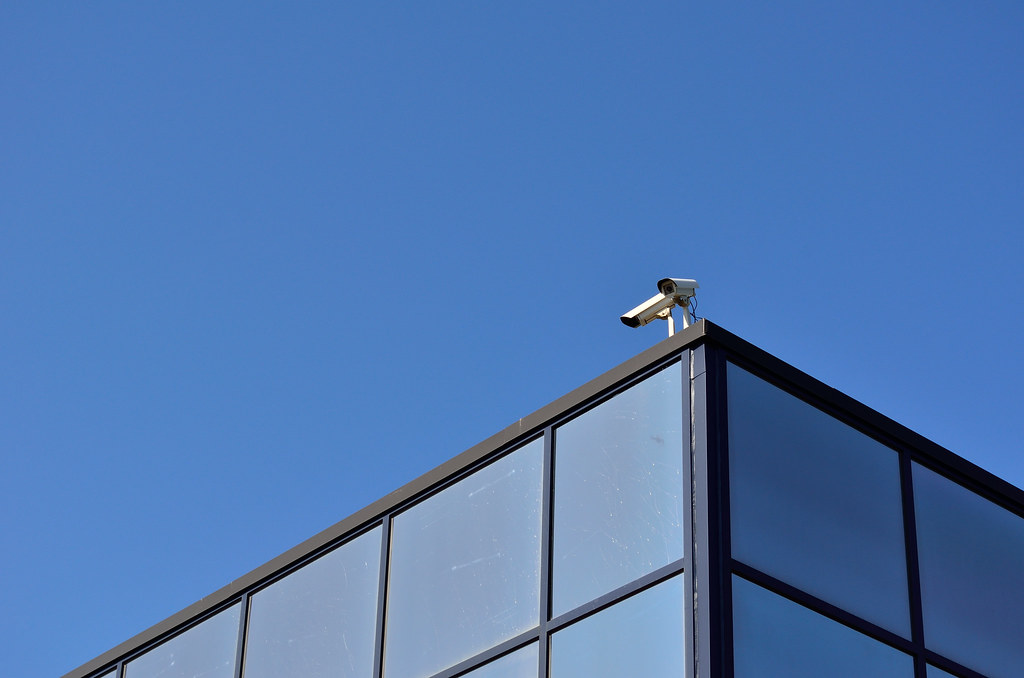
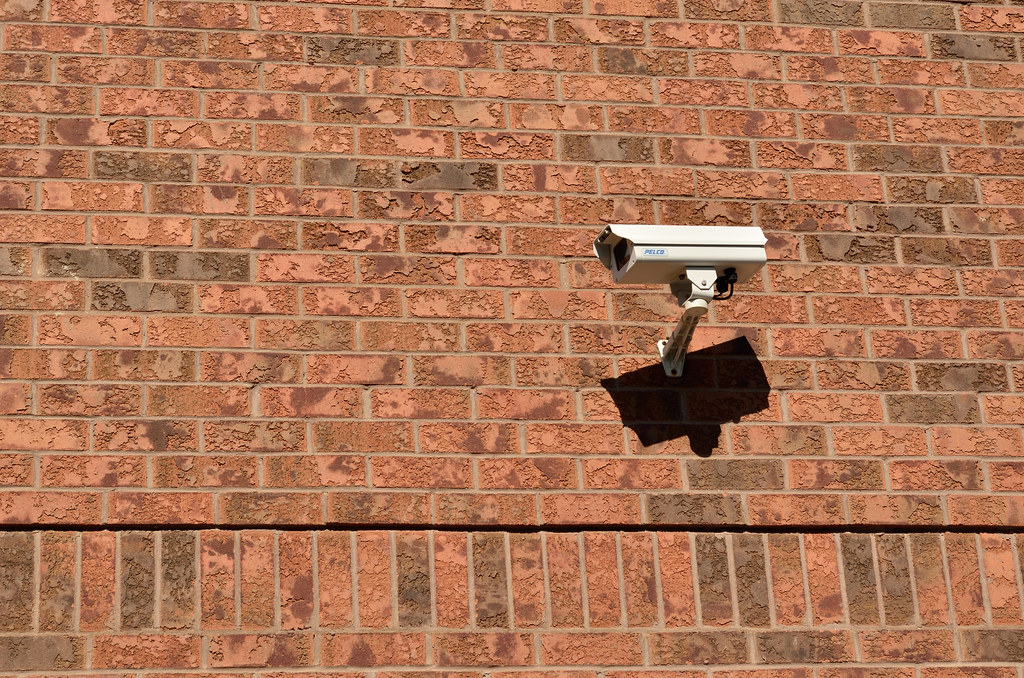
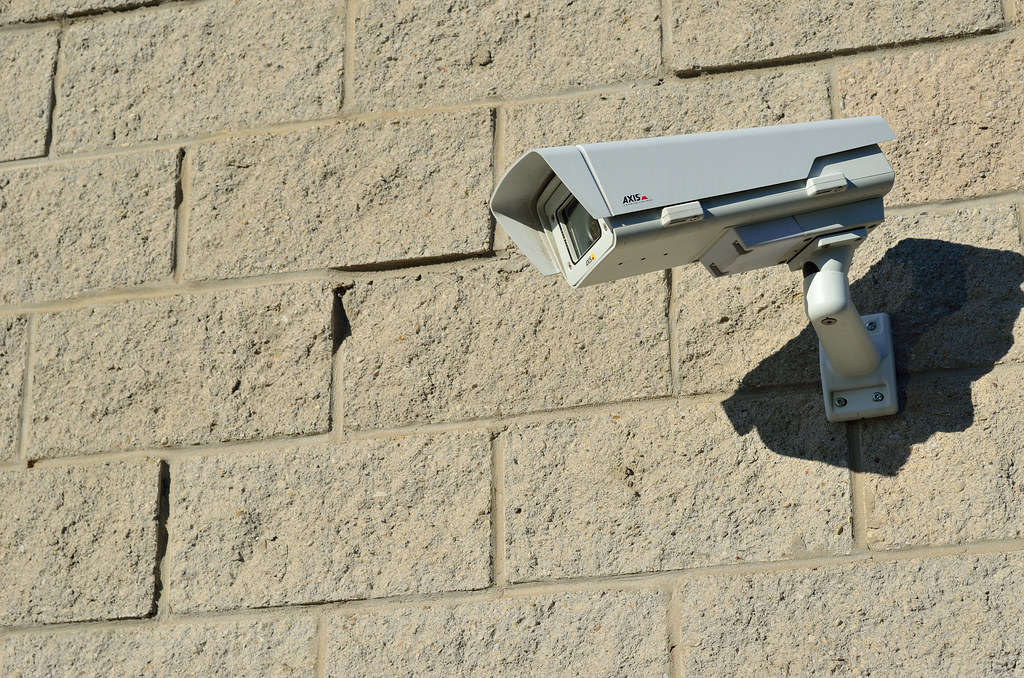
Real scene of project site
Project background
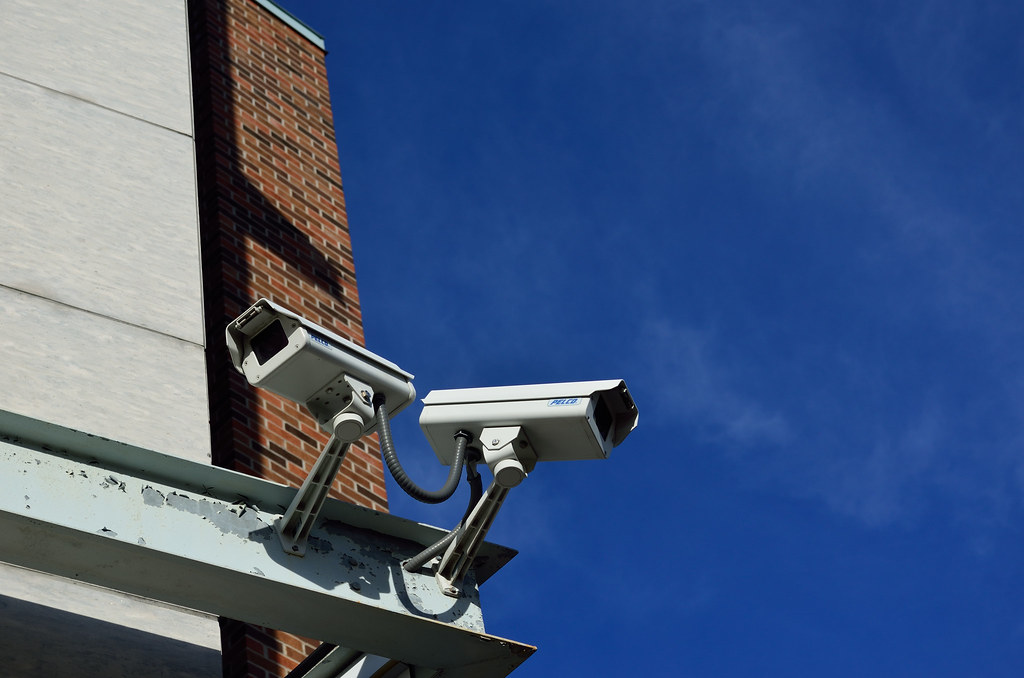
There are 14 110kV and below substations in the customer's jurisdiction that are unattended. As the scale of equipment expands, traditional "Regular driving to the station + manual visual inspection"The inspection method is high-cost, low-frequency, and difficult to retain process evidence.
Key technology selection
| Constraints | Selection | Reasons |
|---|---|---|
| Strong electromagnetic interference | Industrial-grade anti-interference model | Ordinary commercial models are prone to snowflakes and restarts in high-voltage areas |
| Oil level observation at night | Infrared thermal imaging dual vision | Can simultaneously check the appearance and abnormal joint temperature rise |
| Difficulty in obtaining power | In-site DC panel power supply + PoE | Avoid laying a separate power supply for the front end |
| Inspection traces | Point template automatic cruise | Each inspection route forms a playable image record |
Operational results
After the system goes online, about 70% of routine inspections are completed remotely. And every time you enter the station, there are image traces, which provides a reliable basis for equipment accounting and accident traceback.
Project difficulties
Issues that need to be addressed during project advancement
Substations are scattered and mostly unattended
Traditional manual inspections have high round-trip costs and abnormal detection lags behind
There is strong electromagnetic interference in the high-voltage area
Ordinary equipment is prone to screen snowflakes and restart failures
It is difficult to observe the oil level and equipment status at night
Lack of effective night imaging means
The consequences of outsiders accidentally entering a live area
Lack of effective inbound isolation and alarm means
solution
Technical and construction measures taken to address the above difficulties
Use industrial-grade cameras that have passed electromagnetic compatibility testing
Solve the problem of picture interference and crashes in strong electromagnetic environments
Outdoor PTZ + infrared thermal imaging dual-view deployment
The oil level window and the temperature rise status of equipment joints can be read at night
Electronic fence + access control card swiping linkage to push pictures
When people enter, the screen will pop up and marked, realizing "leaving traces as soon as they enter the door"
Automatic inspection according to the inspection point template
Patrol 26 standard points regularly every day, replacing most manual arrivals
Project results
Actual operating data after the system goes online
Main equipment list
This project mainly uses equipment (XLD is mainly self-developed)
- Industrial-grade anti-interference network gun — 186 units, outdoor equipment area
- Infrared thermal imaging dual-view cameras — 28 units, main transformer area and key joints
- Heavy-duty independent pan/tilt — 14 sets, panoramic cruise in the station area
- Electronic fence and access controller — 14 sets, station linkage
Related solutions
Other cases
More similar project implementation experience