Safety production video networking project of a chemical group company
Comply with the deployment of explosion-proof certification equipment in explosion-proof areas, and achieve unified supervision of major hazard sources, linkage of work tickets and identification of safety violations through the video networking center.
Project Overview
Project basic information
project site
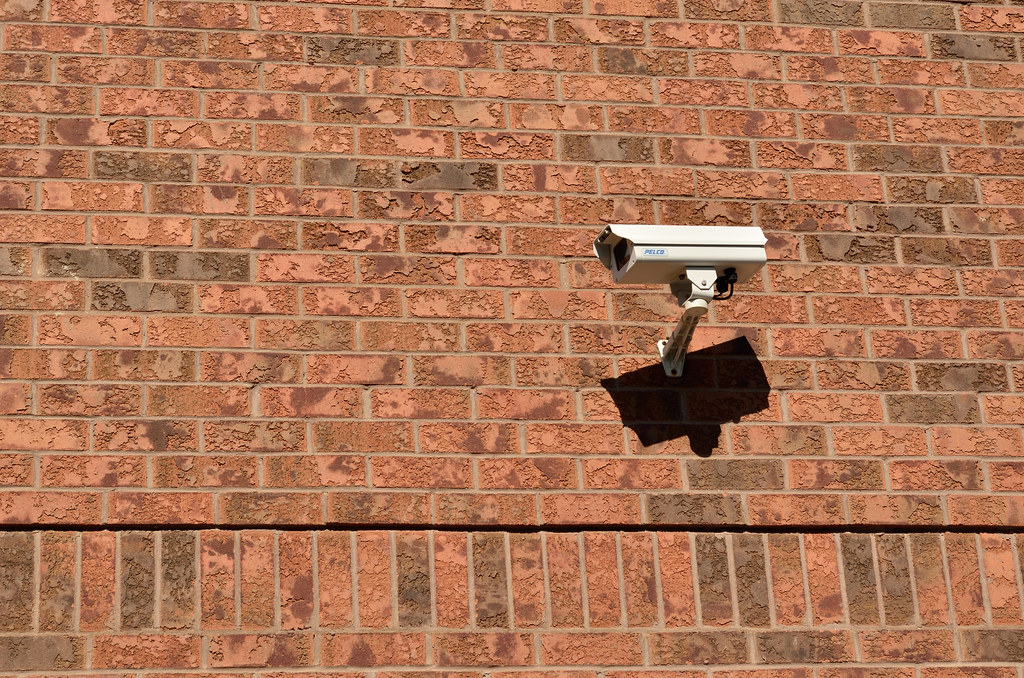
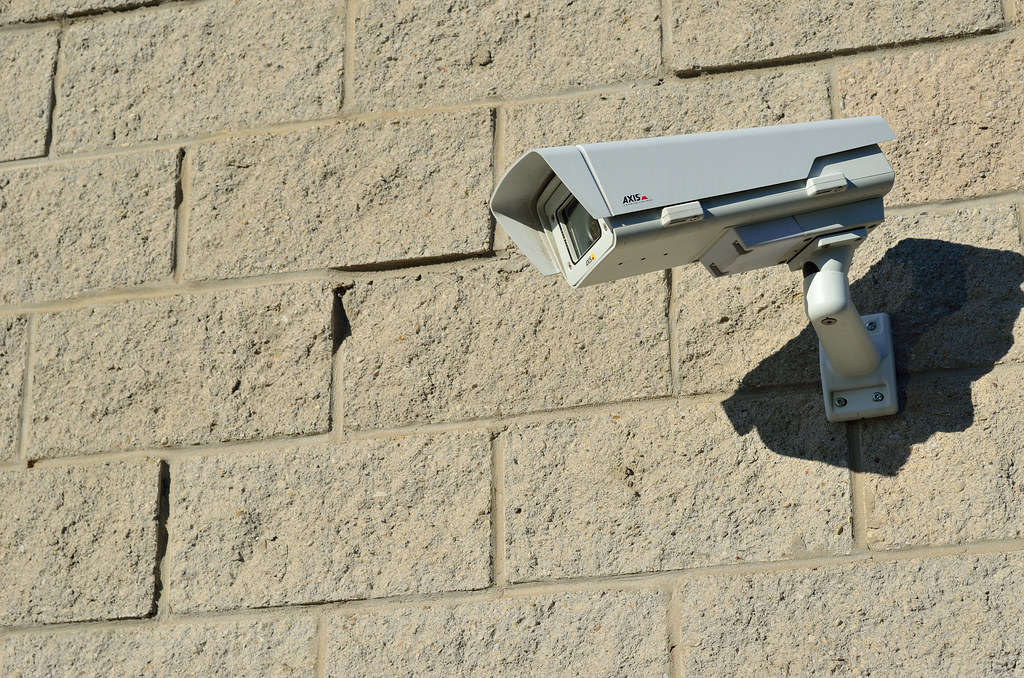
Real scene of project site

Project background
The group's three factories contain nine major hazard sources. As regulatory authorities place more emphasis on hazardous chemicals companies As the requirements for online monitoring of "Two Key Points and One Major" continue to increase, the group decided to build a unified video surveillance network.
Key points for explosion-proof compliance
- All equipment entering the explosion-proof area must pass the explosion-proof certification of the nationally designated agency, and the nameplate and number must be verified on-site.
- The shield, junction box, flexible pipe, and gland must form a complete explosion-proof link. If any link is not compliant, the entire system will fail.
- Construction personnel must pass the factory safety education assessment and be accompanied by gas detection during the entire operation.
- All wiring holes are sealed with explosion-proof sealing putty, and the sealing rate is 100% accepted.
Manage value
After the online platform is launched, the Group's Safety and Environmental Protection Department can view the status of hazard sources in each factory area in real time. The time required to prepare materials for safety inspections at all levels has been reduced by about 80%, and the violation rate of hot work has been significantly reduced.
Project difficulties
Issues that need to be addressed during project advancement
Explosion-proof areas have mandatory requirements for equipment and construction
Equipment that has not passed explosion-proof certification is strictly prohibited.
It is difficult to supervise hot work and confined space work
There is a lack of visual evidence for the execution of work tickets
Data in multiple factory areas is scattered, making it difficult for the group to conduct unified supervision
Lack of an integrated online platform
The entry and exit of hazardous chemical vehicles must be fully managed
there are risks in loading, unloading and driving in the factory
solution
Technical and construction measures taken to address the above difficulties
All explosion-proof areas use Ex d IIB T6 certified equipment
including shields, junction boxes and flexible pipes with full link compliance
The mobile control ball in the hot work area is linked to the work ticket
After the work ticket is approved, the corresponding screen recording will be automatically started
Networking of three factories + group-level supervision platform
supports electronic map, hazard source ledger and video linkage
Monitoring of dedicated passages and parking areas for hazardous vehicles
identification of license plates and tank markings, automatic alarms when limits are exceeded
Project results
Actual operating data after the system goes online
Main equipment list
This project mainly uses equipment (XLD is mainly self-developed)
- Explosion-proof certified network gun machine — 186 units, explosion-proof area
- Explosion-proof and explosion-proof pan/tilt — 24 units, tank area and installation area
- Ordinary 2 million network gun machine — 250 units, non-explosion-proof area
- Explosion-proof junction box and flexible pipe — Matched according to national standards
- Group networking platform — 3 factory cascades, electronic map
Related solutions
Other cases
More similar project implementation experience